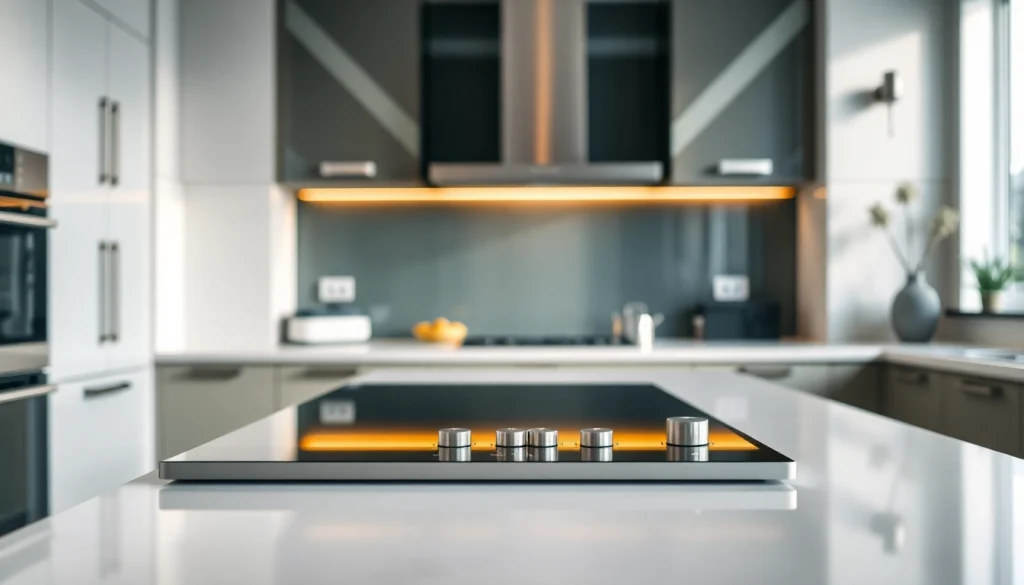
Understanding Induction Hobs
What Is an Induction Hob?
An induction hob is a modern cooking appliance designed to heat cookware directly through electromagnetic induction rather than using traditional methods such as gas flames or electric heating elements. Unlike conventional cooktops, an induction hob consists of a smooth glass-ceramic surface that becomes slightly warm while in use, providing an efficient cooking experience with minimal energy waste. With a wide range of styles and sizes available, induction hobs have become popular among home cooks and professional chefs alike, mainly due to their speed, precision, and safety features.
How Induction Hobs Work
The underlying technology behind induction cooking involves magnetic fields generated by copper coils situated beneath the ceramic surface. When a compatible pot or pan made from ferrous material is placed on the hob, the magnetic field induces an electric current directly in the cookware. This current generates heat, which is then transferred to the food. As a result, the hob itself remains relatively cool, reducing the risk of burns. Additionally, induction hobs allow for rapid heating and cooling, providing precise control over cooking temperatures.
Advantages of Using an Induction Hob
The benefits of induction hobs extend beyond just their unique method of heating. Here are some key advantages:
- Speed: Induction hobs heat cookware faster than gas or electric hobs, often boiling water in just a few minutes.
- Energy Efficiency: Since they heat cookware directly, less energy is wasted, making induction cooking more efficient.
- Safety: The surface of the hob itself doesn’t get as hot, significantly reducing the risk of burns.
- Easy Cleanup: Spills do not burn onto the surface since it remains cooler than traditional hobs, allowing for easier cleaning.
- Precision Cooking: Induction hobs can be finely controlled for precise temperature settings, enhancing cooking versatility.
Choosing the Perfect Induction Hob
Key Features to Look For
When selecting an induction hob, it’s essential to consider specific features that will meet your cooking needs:
- Power Levels: Look for models that offer varying power settings for different cooking techniques.
- Size and Configuration: Choose a size that fits your kitchen and accommodates the number of burners based on your cooking habits.
- Control Type: Evaluate whether you prefer touch controls, dials, or knobs for ease of use.
- Safety Features: Essential features include child locks, automatic shut-off, and overheat protection.
- Portability: If you travel or have limited space, consider portable induction burners that offer flexibility.
Different Types of Induction Hobs
Induction hobs come in various types, catering to diverse preferences and cooking styles:
- Built-in Induction Hobs: These are integrated into the kitchen countertop, providing a sleek look and enhancing kitchen aesthetics.
- Portable Induction Hobs: Ideal for small kitchens, RVs, or outdoor cooking, these units are easy to transport and require minimal setup.
- Modular Induction Hobs: Designed for flexibility, these can be combined with other cooktop types to create a customized cooking surface.
- Freestanding Induction Ranges: These all-in-one appliances combine an induction cooktop with an oven, offering a complete cooking solution.
Brands and Models to Consider
Several reputable brands produce high-quality induction hobs, each with unique features and performance metrics. Some popular choices include:
- Bosch: Known for durability and advanced technology, Bosch offers a variety of induction models with precise heat control.
- Samsung: Samsung induction hobs combine innovative features such as Wi-Fi connectivity, allowing users to control settings via smartphone apps.
- IKEA: IKEA provides affordable and stylish options for anyone looking to enter the induction cooking space.
- KitchenAid: Recognized for robust performance and elegant designs, making them a suitable choice for gourmet cooking enthusiasts.
- GE Appliances: Their range of induction hobs comes with versatile features and adaptable designs for every kitchen.
Installing Your Induction Hob
Preparing Your Kitchen Space
Before installation, it’s crucial to prepare your kitchen space to ensure safety and functionality. Here are some steps to follow:
- Check Electrical Requirements: Ensure your kitchen’s electrical system can support the induction hob’s power needs, ideally having a dedicated circuit.
- Countertop Space: Measure the space where you’ll install the hob, making sure it fits seamlessly into your kitchen design.
- Ventilation: Ensure adequate ventilation in the kitchen to manage heat and cooking fumes effectively.
Step-by-Step Installation Guide
Installing an induction hob involves several straightforward steps:
- Turn Off Power: Before starting, shut off power to the circuit where the hob will be installed.
- Cut the Countertop: If necessary, ensure a proper cutout that matches the hob’s dimensions in your countertop.
- Connect the Wiring: Connect the electrical wiring, ensuring all connections are secure and adhere to local electrical codes.
- Place the Hob: Carefully place the hob into the cutout, making sure it sits flush against the counter.
- Test the Installation: Restore power and run a test to ensure the hob is functioning correctly and safely.
Safety Considerations
Safety should always be a priority during installation. Make sure to:
- Follow manufacturer instructions closely.
- Ensure that the workspace is dry and free of clutter.
- Use proper tools and protective equipment, if necessary.
- Consult with a qualified electrician if you’re unsure about the electrical connections.
Using and Maintaining Your Induction Hob
Best Cooking Practices with Induction Hobs
To achieve the best cooking results with an induction hob, consider these expert tips:
- Use Compatible Cookware: Ensure your pots and pans are induction-compatible, usually made of magnetic materials like cast iron or stainless steel.
- Start at a Lower Heat: Begin cooking at lower temperatures and gradually increase as needed to avoid burning food.
- Cover Pots When Boiling: Covering pots can help retain heat and speed up cooking times.
- Utilize Residual Heat: Turn off the hob a few minutes before the food is fully cooked to take advantage of residual heat.
Maintenance and Cleaning Tips
Keeping your induction hob clean and well-maintained is crucial for its longevity. Follow these cleaning practices:
- Wipe Spills Immediately: After cooking, wipe away residue while the surface is still warm using a damp cloth.
- Avoid Abrasives: Use only non-abrasive cleaners to prevent scratching the surface.
- Regularly Check Connections: Periodically inspect the wiring and connections to ensure everything remains secure.
Common Issues and Troubleshooting
Despite their reliability, you might encounter some common issues with induction hobs. Here’s how to address them:
- Hob Doesn’t Turn On: Ensure the cookware is compatible and that the unit is plugged in properly.
- Uneven Heating: Check the bottom of the cookware; it should be flat and clean for optimal cooking efficiency.
- Error Messages: Refer to the user manual for information on error codes and troubleshooting steps.
Comparing Induction Hobs with Other Cooking Technologies
Induction Hob vs Electric Hob
While both induction and electric hobs use electricity, their cooking methods differ significantly. Induction hobs are more energy-efficient and provide faster heating times. Electric hobs can retain heat longer, which can be a disadvantage in terms of energy usage and cooking precision.
Induction Hob vs Gas Stove
Gas stoves offer immediate heat and visual control over the flame, which some cooks prefer. However, induction hobs provide faster cooking times and a safer environment, as the surface remains cooler. Additionally, induction cooking is easier to clean since spills don’t burn onto the surface.
Evaluating Efficiency and Costs
Energy efficiency is a significant factor when comparing induction hobs with other cooking technologies. Induction hobs generally incur lower energy costs as they minimize heat loss, making them a cost-effective choice in the long run. While the upfront costs of induction hobs may be higher than gas stoves or electric hobs, many users find savings on their utility bills, along with the convenience of rapid cooking.